


With the modern development of medicine and many studies conducted, scientists cannot fully determine the true causes of the development of scaly lichen.Psoriasis is a disease of the skin and tissues surrounding the joints.The disease is characterized by a non-infectious course, with the appearance of papules and red spots that tend to merge.These formations are dry, flaky, raised above the surface of the skin and represent a chronic, localized process.Microscopy reveals a significant number of keratinocytes, cells of the immune system (T-lymphocytes and macrophages), with abundant proliferation of the vascular network.
Psoriasis and its causes, with the current development of medicine, are being actively studied, but no one has determined the final cause of its appearance.
Scientists identify several main reasons for the development of pathology:
- Genetics— the hereditary theory of the appearance of psoriasis is based on the fact that if ancestors or close relatives have this pathology, the risk of its occurrence in subsequent generations is equal to 25% if one of the parents is sick.If both parents develop the disease, the risk of it occurring in the offspring increases by 70%.It is possible that sick parents give birth to a healthy child, but after some time, under the influence of the above factors, the disease also develops in him.
- Immune defect— by examining the histological material of patients with psoriasis, scientists identified an excessive accumulation of disease-affected immune cells in the layers of the epidermis.At the same time, specific antibodies were detected, and in the surface layers of the epidermis - Munro's microabscesses (accumulation of intercellular fluid, leukocytes, macrophages).A general blood test shows an increase in the number of leukocytes (T-helper cells), this all indicates the autoimmune nature of the disease.
- Viral lesion- in this case, infection with retroviruses is implied.This strain introduces its own tRNA chain into the host cell, replacing its genetic code with a viral one.Which manifests itself in the excessive production and proliferation of immature and undifferentiated dermal cells.
An interesting fact is that anti-psoriatic treatment according to the autoimmune theory is aimed at reducing the number of immune cells, including T-helper cells.In the presence of psoriasis in HIV/AIDS-infected people, the number of these cells decreases to the limit, and the risk of developing psoriasis increases.Further study of this fact may completely refute the autoimmune theory of psoriasis development.
Factors in the development of psoriasis
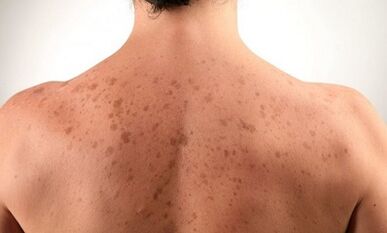
What causes psoriasis?There are several provoking factors that negatively affect the body:
- Stress- this factor is the trigger of psoriatic rash and the final link, under the influence of which the rash decreases.This factor is one of the main ones, since the occurrence of psoriasis in 50% of cases occurs precisely because of extreme fatigue, psychological trauma and nervous strain.When psoriasis goes into remission, any mental shock can trigger a relapse;
- Infections- a group of diseases, during the development of which primary foci of psoriatic rash appeared.Such diseases include: all infectious diseases of the upper respiratory tract, bacterial and fungal infections affecting the skin, mononucleosis.In patients suffering from psoriasis, the presence of an increased amount of pathogenic microflora (beta-hemolytic streptococcus and Staphylococcus aureus) was determined.Candidiasis is a fungal infectious process in which psoriasis most often develops;
- External influence— a fairly large number of patients associate the appearance of psoriasis as a result of exposure to external physical factors.Most often they are: mechanical injuries to the skin, burns, hypothermia and frostbite;
- Endocrinopathies— this group of diseases is accompanied by disruption of the functioning of the body as a whole.This factor is most often found in females, due to frequent changes in hormonal levels due to growing up, pregnancy, the menstrual cycle, and menopause.In patients with diabetes, metabolism is significantly impaired, while a constant excess of glucose negatively affects human tissues and organs, provoking the development of other diseases;
- Toxins- act as another cause of psoriasis on the body.Its appearance is associated with food poisoning, work in factories or factories, and abuse of certain products (citrus fruits, coffee, chocolate).Alcohol and smoking, with their toxic effects, provoke many diseases, including psoriasis;
- Pathogenetic effects includetaking medications.It has been proven that a small number of patients began to develop psoriasis while taking the following drugs: NSAIDs, beta-blockers, fortified drugs (vitamins C, B, D), cytostatics, antibiotics (cephalosporins).
Prevention of psoriasis
Many factors contribute to the development of psoriasis.The basic theory has not yet been determined and any prevention measures must be comprehensive and comprehensively targeted.Patients should reconsider their lifestyle.If necessary, change your place of residence to a more environmentally friendly area.
It is recommended to avoid stressful situations.You can take antidepressants and sedatives.The diet should include more fiber, non-allergenic fruits and vegetables, meat, and fish.When treating concomitant pathologies, be sure to quit bad habits and consult a doctor about changing therapy.Take courses of treatment in specialized sanatoriums.