


Psoriasis is a fairly common autoimmune disease that affects the skin.It can develop in both adults and children.The disease is incurable.The exact causes of psoriasis could not be determined even through multiple studies, however, there are a large number of theories and provoking factors.
What is scaly lichen: etiology and pathogenesis
Psoriasis is a chronic non-infectious skin disease, in most cases arising due to hereditary predisposition under the influence of provoking factors.
A characteristic sign of pathology is the formation of redness and swelling on the skin, which itch and hurt.The affected areas have a scaly texture, which is why the disease is called “squamositis”.
Manifestations of psoriasis can cover either a large part of the skin or be observed in the form of several spots.The disease also affects nails, joints and mucous membranes.
The formation of papules, the so-called red spots, is due to the fact that with lichen planus, the cells of the immune system are attacked and destroy their own dermal cells.The rash may be dry and milky or yellow in color.Papules can also merge with each other, forming psoriatic plaques that arise at the site of inflammation.
What causes psoriasis on the body in adults and children
This disease is systemically recurrent and develops in people with a genetic predisposition with concomitant disorders in the central nervous system (CNS) and metabolism.Depending on the location of psoriatic manifestations, the causes may vary:
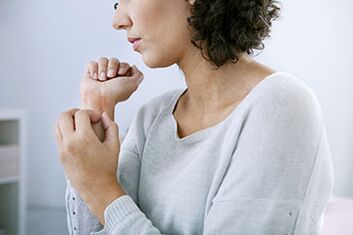
- If lichen planus spreads throughout the body, the cause may be generalization of the disease.
- If the rash affects the hands, the exact causes have not been established, but metabolic disorders, stress overexertion, and an unbalanced diet become provoking factors.
- If the face is affected, psoriasis manifests itself as small papules in the area of the eyebrows, nasolabial folds and lips.The reason for this may be dysfunction of the regeneration and maturation of skin cells or an autoimmune reaction of the body.
- The cause of the formation of psoriatic rashes in the ear area may be a metabolic failure or decreased immunity.
- Provoking factors for the development of lichen planus on the scalp can be: stress, excessive dry skin, heredity, excess of sweet and pickled foods in the diet, allergies, trauma to the skin, climate change, hormonal disorders.
Main provoking factors
The main causes of psoriasis are:
- Genetic predisposition.If both parents are diagnosed with psoriasis, the child has a 75% risk of developing the disease, and if only one parent has a 25% risk of developing the disease.
- Infectious diseases.This factor provoked the occurrence of psoriasis in 21% of patients.Pathology can develop due to sinusitis, otitis media, ARVI, etc.
- Metabolism problems.Experts note this factor as one of the main ones because metabolic disorders are detected in almost all psoriasis patients.
- Immune failure.For example, past inflammations or infections (sore throat, sinusitis) can be a trigger factor.
Indirect causes of psoriasis
Lichen squamosus can occur for the following associated reasons:
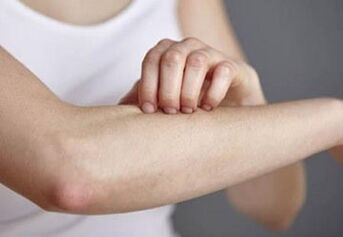
- Traumatization.In 14% of patients, psoriasis developed as a result of burns, bites and other physical injuries.
- Stress.They are known to trigger biochemical and immunological reactions that contribute to the development of psoriasis.Also, in the presence of a chronic form of the disease, psychological trauma, nervous tension, as well as prolonged overwork and stress can lead to its exacerbation.49% of patients claim that their psoriasis was caused by this factor.
- Prolonged hypothermiathe body can also cause psoriasis or lead to its exacerbation.It is observed in 5% of patients.
- Use of various medications.These include: non-steroidal anti-inflammatory drugs, vitamins C and B, cytostatics, beta blockers, herbal medicines, which provoke the occurrence of psoriasis in 6% of patients.
- Food poisoning, as well as abuse of certain foods, such as chocolate, citrus fruits, and so on.This is the cause of psoriasis in 4% of patients.
- Lactation, menopause, pregnancy(during hormonal changes in a woman’s body) or during adolescence, the development of psoriasis is observed in 6% of patients.
- Alcoholism and smoking.Abuse of alcoholic beverages not only provokes the development of psoriasis, but also increases the risk of complications and shortens the period of remission.It is observed in 3% of patients.
- Obesity.Excess body weight leads to additional friction of skin areas in folds, which in turn provokes psoriasis.
Psoriasis is a common pathology and anyone can get it, regardless of age and gender.However, lichen planus most often occurs in young people.
Theories of the occurrence of scaly lichen in humans
Since scaly lichen is one of the least studied diseases, experts put forward quite a lot of theories about its occurrence.
Hereditary
According to this theory, it is assumed that psoriasis develops due to metabolic disorders, which may be caused by a genetic factor.In support of this assumption, there is the fact that among close relatives the incidence rate can reach 40%.
Immune
The emergence and development of psoriasis, according to this theory, occurs due to a number of disturbances in the functioning of the immune system.As a result of such processes, cells accumulate in the skin layer, which leads to chronic inflammation and thickening of the affected area.
Neurogenic
This theory suggests that neuropsychic trauma is one of the most important factors in the dynamics of psoriasis development.In the course of research, it was found that in patients in some organs and nerve endings the content of acetylcholine was increased.High concentrations of this neurotransmitter make it possible to consider lichen planus as a skin reaction to neurogenic changes.
Exchange
Due to impaired metabolism, the cholesterol level in the blood increases significantly, which in turn causes the development of psoriasis.
Most researchers attribute the diagnosis to cholesterol diathesis.
They consider the onset of development of lichen planus to be a manifestation of dermatosis, based on a disorder of lipid metabolism, which stimulates keratinization of the skin.
It is known that in the presence of psoriasis, the patient experiences disturbances in vitamin metabolism.It is worth noting that with such disorders, the content of vitamin C in the skin is significantly increased.
According to statistics, 60% of psoriasis sufferers have problems with general carbohydrate metabolism.
Allergic
There is a theory about the development of psoriasis against the background of allergic reactions of the body.With two pathologies, itchy rashes are observed on the skin, which cannot be contagious to the environment.The symptoms of allergic and psoriatic arthritis are almost identical.Antihistamines are also used in the medical treatment of these two forms of arthritis.
Hormonal
According to this theory, the cause of psoriasis is hormonal dysfunction in the body, during which the reproduction of skin cells increases, which is a violation of the regulatory function, and therefore an endocrine problem.
Based on the studies, experts have determined that in women during ovulation or pregnancy, psoriasis develops much faster.
However, medicine has never been able to discover the involvement of hormones in the development of lichen planus, for this reason this theory is not widely widespread.
Viral
According to most studies conducted among patients with psoriasis, various changes were found in the peripheral lymph nodes, which in turn indicates that the diagnosis is of a viral nature.
However, such a theory has not been proven, since even with blood transfusion from a sick person to a healthy person, not a single case of infection with this pathology was observed.
Infectious
It is known that various infectious diseases influence the exacerbation of psoriasis and are the cause of its occurrence.
In particular, most people are susceptible to these processes during the cold season, when the immune system is weakened.
Many people adhere to the theory that psoriasis develops against the background of acute and chronic infection.
It is known that in 90% of cases, prolonged tonsillitis accompanies psoriasis, which confirms the influence of infectious processes, as well as immunity disorders, on the development of pathology.
How is the disease transmitted?
It is necessary to understand that psoriasis cannot pose a threat to others.This disease is non-infectious in origin and cannot be transmitted through any contact with a patient, even through blood transfusion.
The only way scaly lichen can be transmitted from one person to another is genetically, that is, from parent to child.But even in this case, there is only a probability, and not 100% certainty, of the development of the disease.
How to determine if you are starting to get sick: symptoms and signs
The onset of development of lichen planus can be determined by the following signs:
- Red spots appear on the skin, which are prone to peeling.Their size ranges from 5 to 15 millimeters in diameter.
- Pink papules, which are covered with whitish scales, may appear on the skin.These formations are characterized by symmetry of location.
- Mild trauma to the elements of the rash, after which a new spot forms in the same place.
Experts have determined that 70% of diseases occur before the age of 20 years.It is also known that the earlier psoriasis occurs, the more often it worsens and the more difficult it is to tolerate.
Diagnostic methods
A dermatologist is involved in identifying psoriasis; a visual examination is most often sufficient to diagnose it.
In some cases, a specialist may confuse lichen planus with dermatitis or eczema due to their similarities.
Such episodes need to be checked with a biopsy and blood test, which will reveal elevated levels of proteins, white blood cells and a high erythrocyte sedimentation rate in the case of psoriasis.
How to treat the disease
Depending on the stage and severity of psoriasis, it can be treated under different conditions and with a variety of methods.So, in severe cases, hospitalization is usually prescribed, but in other cases, home therapy and physiotherapy are sufficient.
Therapy in a hospital setting
Therapy is carried out using physiotherapeutic procedures, which are prescribed taking into account all individual characteristics, and the treatment regimen also includes taking medications.The patient may be placed in a hospital setting at a progressive stage of the disease.
To stop the process of damage to other areas of the skin, use:
- Sedatives (bromide, valerian, etc.)
- Vitamins of groups A, B, C, D and E.
- Detoxification injections.
- Antihistamines.
To restore and regenerate skin cells, the following therapy methods are used:
- Baths with sea salt or pine needles.
- Ointments and creams for external treatment.
- Antibacterial agents.
- Ultraviolet irradiation of affected skin areas.
- Injections of immunostimulants.
In more severe cases, when a large percentage of affected cells are present on the skin, therapy is used, which includes the use of stronger medications.
Medication treatment at home
When treating psoriasis at home, ointments and creams are most often used to reduce and soften itching, and also stop the division of skin cells.
They include the following components:
- Vitamin D.Contained in most topical products.The highest efficiency is shown in combination with UV radiation.
- Tar.In most cases, it is prescribed for the treatment of lesions on the scalp.
- Glucocorticosteroid hormones.They inhibit the reactivity of the immune system and reduce inflammation.
- Activated zinc.This component quickly relieves skin itching and redness and causes minimal harm to the body.
Among the medications used for systemic treatment of psoriasis are:
- Cytostatics.
- Corticosteroids.
- Vitamins.
- Non-steroidal anti-inflammatory drugs.
- Antiallergenic drugs.
- Immunomodulators.
Treatment with folk remedies
Traditional methods are recommended to be used as additional measures for the treatment of psoriasis.
The most common recipes for ointments for external use are:
- Lard and celandine.The ingredients are mixed in a ratio of five to one.
- Petrolatum and meadowsweet.The components are combined in equal parts.
- Elecampane ointment.
For oral administration use:
- Infusion of oats and kvass.Three liters of liquid are mixed with five tablespoons of sugar and 700 grams of grain.Insist for two days.
- A decoction of dill seeds.Pour a tablespoon of dry ingredient into a liter of boiling water and cook for 5 minutes over medium heat.Can be taken immediately after cooling.
- Bay leaf tincture.Take 100 milliliters per day.
Another popular folk method is a bath with copper sulfate.
Prognosis and prevention
Unfortunately, it is impossible to completely cure psoriasis once it appears.However, with the help of competent treatment and control of the pathology, long-term remission can be achieved, during which the skin clears up.In the treatment of this disease, it is important to have patience, because medications take time to work.
To prevent psoriasis, you should adhere to the following rules:
- Minimize emotional turmoil and stress.
- Lead a healthy lifestyle, give up bad habits.
- Walk outdoors regularly.
- Adjust your diet, reduce your fat intake.
- Use bedding and underwear made from natural fibers.
Lichen squamosus is one of the least studied diseases, so there are many theories and causes of its occurrence.The exact factors have not yet been determined.Psoriatic manifestations can occur in different places, and the reasons for the development of each of them differ.